Endodontics

Endodontology: A term you probably don't deal with every day and one that raises a lot of questions. What kind of treatment is it, does it hurt, and what are the associated costs? We would be happy to explain more about endodontics, also known as root canal treatment, why it is necessary, and how the treatment works.

Dental Center Netherlands (TCN) has dental practices throughout North Holland. Including in Alkmaar, To put away, Castricum, Haarlem, Heerhugowaard, Westzaan, Zaandam and Beaverwijk.

Register as a patient

Also possible under general anesthesia

What is endodontology?

In endodontics, we treat the internal part of your teeth. The root canals contain nerve tissue and small blood vessels. Partly for this reason, we also call this treatment a root canal treatment or an endo. When you experience pain in a tooth, it is usually caused by a cavity, a deep or large filling, or overloading of the tooth. In some cases, a bad habit is the cause of the pain.

You can visit our endodontist, Nico Kamphorst, for these pain complaints. He will examine your teeth, put you at ease, and determine the most suitable treatment method together with you. He listens carefully to your questions and wishes and explains the treatment step by step. Naturally, you will be properly anesthetized during the treatment, ensuring the process is completely painless for you.
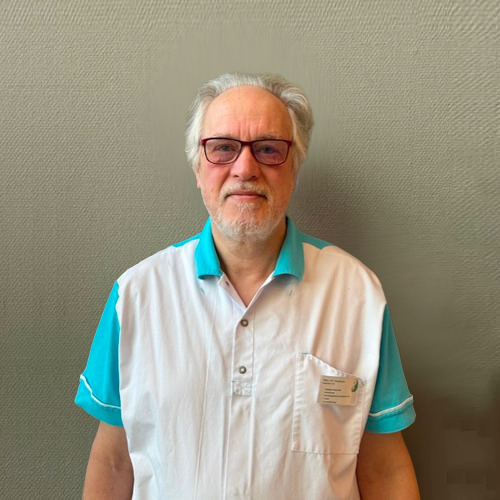

Nico, working at Dental Center Netherlands, smiling
self-employed

Nico Kamphorst

Endodontist | Dentist
BIG number: 19021939902

The advantages by endodontics:

Are you suffering from painful teeth or molars, or have you been referred to an endodontology specialist? Then please contact TCN.

  • Pain-free root canal treatment;
  • Dentist specializing in endodontics;
  • Suitable for anxiety sufferers;
  • Also for people who are not patients at TCN;
  • Home-like furnished practices.
Woman with a radiant smile during a dental visit – Dental Center Netherlands

I went to TCN for a root canal treatment after walking around with a toothache for a while. I was dreading it, but there was no need to. Everything was explained well, and I didn't feel a thing during the treatment.

What does the endodontist do?

An endodontist is a dentist who specializes in root canal and nerve treatments. This specialist has completed additional training for this and keeps their knowledge up to date through periodic training. The endodontist deals with complex issues regarding root canal treatments. This includes unexplained pain in the root or head area. Other complaints this dentist can help with include persistent toothache or inflammation of the teeth. Furthermore, the endodontist provides advice, draws up treatment plans, and treats the roots of teeth.

Pain-free treatment at TCN

Root canal treatment techniques are much more modern than in the past. Therefore, you do not need to be afraid of pain at all: an endodontic treatment is pain-free. We provide full anesthesia of the tooth or molar and the surrounding area. Do you still feel something during the treatment? Please feel free to mention this to the dentist; he will adjust the anesthesia and ensure that the process is still pain-free. A root canal treatment at TCN is also suitable for patients who to be afraid of the dentist. We discuss your fears and in some cases it is possible to the treatment under general anesthesia to carry out.

Root canal treatment rates

The rates for root canal treatment are set by the Dutch Healthcare Authority (NZa). This means that the costs are the same at all practices. Below, we provide a brief overview of the rates. A complete overview of the rates for endodontics can be found on our rates page.

View rates

Insurance coverage

The costs of a root canal treatment are fully covered by basic health insurance for patients under the age of 18. For patients aged 18 and over, this depends on the health insurance policy they have taken out. To have the costs of endodontics reimbursed, you need supplementary insurance in addition to your basic package. When taking out this insurance, ensure that the supplementary insurance provides sufficient coverage. We therefore advise you to consult your policy to check whether your health insurer covers the costs of a root canal treatment. At TCN, we always provide an estimate of the expected treatment costs during the first consultation. We do this to prevent unexpectedly high dental care costs.

Why endodontics?

Toothache is usually caused by inflamed tooth tissue. This tissue does not heal on its own. Therefore, treatment is necessary. During a root canal treatment, we remove all the tooth tissue from the inflamed tooth.

Register as a patient

Preparation for a root canal treatment

You actually don't need to do anything yourself prior to the root canal treatment. However, we do recommend undergoing the treatment while you are well-rested and in good health. You may want to bring music so that you can relax and listen to your own favorite tunes during the treatment.

Anesthesia of the mouth

First, the dentist numbs your mouth to ensure that you feel absolutely no pain during the treatment. After the anesthesia, an opening must be made to access the inflamed tissue. Next, the endodontist applies a Cofferdam so that he can work safely and cleanly.

Cleaning of the dental pulp

In the next step, the dentist removes the nerve tissue and blood vessels from the tooth. The dentist cleans the inside of the root canal using special instruments and materials. He proceeds meticulously to ensure that all tissue and inflammation are removed.

Filling the root canal

In the final phase, the dentist fills the root canal with a cement that is well tolerated by the body. He then inserts a post into this cement to press it firmly against the canal wall for a stable seal. Once the root canal is properly sealed on all sides, the tissue surrounding the root has the opportunity to heal.

Duration of the treatment

The duration of a root canal treatment varies per tooth. Treatment of just one front tooth with one canal naturally takes less time than a molar with four root canals. On average, we allow half an hour to two hours for a treatment. Our endodontist will discuss the expected treatment time with you in advance, and it is also possible to spread the treatment over multiple appointments.

I thought a root canal treatment sounded invasive, but it wasn't nearly as bad as I expected. Nico put me at ease right from the consultation, giving me complete confidence in the treatment. He relieved me of my toothache.

Aftercare

It is possible that you may experience mild post-treatment pain. This usually lasts no longer than five days, and the pain can normally be effectively relieved by taking paracetamol or a similar painkiller. These painkillers are available without a prescription.

Endodontology retreatment

In some cases, retreatment is necessary. We also call such a treatment a revision. This is the case, for example, when the inflammation of the tooth tissue has not fully recovered during a previous treatment. If the bacteria have survived the cleaning of the root canal, a revision is unfortunately unavoidable. Furthermore, retreatment is necessary when new tooth decay develops. Unfortunately, the second treatment often takes somewhat longer than the first. Anesthesia is available for this as well, so that you do not experience any pain. The use of the treatment microscope is of great importance during a retreatment. All old material and any contaminants must be removed from even the smallest spots. The microscope helps in locating this small material.

Causes of inflamed dental tissue

A root canal treatment is necessary when the tooth tissue in the root canal is inflamed. This tissue does not heal on its own. The primary cause of such inflammation is tooth decay. This allows bacteria free rein to penetrate the root canal and attack the tissue. Tooth decay is caused by, for example:

  • Leaking fillings;
  • An accident in which your teeth are damaged;
  • Poor dental hygiene.

The result is an infection of the tooth nerve, causing pain. Our endodontist treats the infection by performing a root canal treatment. Contact us for more information or to make an appointment. contact us.

How do I detect inflamed tooth tissue?

Fortunately, inflamed dental tissue is relatively easy to recognize. We recommend that you contact a specialist in the following cases:

  • When you experience pain when biting and chewing food;
  • A nagging pain when drinking a hot or cold liquid;
  • Nagging pain when eating ice cream;
  • Pain in surrounding body parts, such as the ears, temples, and jaw.

Preventing a root canal treatment

Our advice is to visit the dentist at least twice a year for a periodic check-up. During this check-up, the dentist identifies potential problems and cavities at an early stage, preventing more serious issues. When it comes to endodontics, too, prevention is better than cure. Therefore, brush your teeth thoroughly twice a day.

Contact

Are you experiencing dental problems or do you have questions about endodontics? Please contact us via the phone number of the relevant branch or make an appointment directly via the button below.

Make an appointment

Promotion: free toothbrush with registration

No waiting lists, new patients are welcome!

Registering as a new patient at TCN is easy – simply choose your location and log in.